Author: admin

  • The Role of Mentorship in Medicine

    The Role of Mentorship in Medicine

    Mentorship Matters

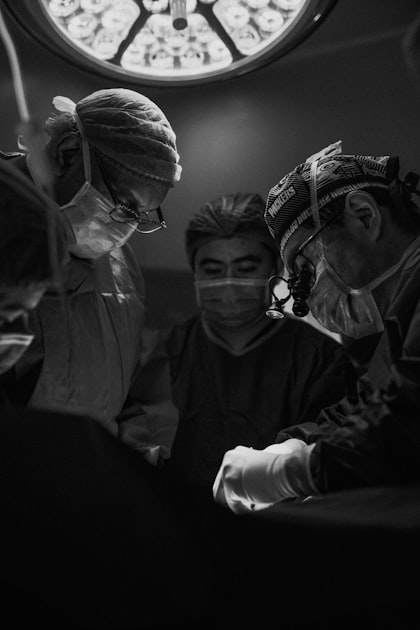
    Mentorship plays a pivotal role in the development of future doctors. At Stanford, experienced professionals guide doctor-students through their journey.

    Benefits of Mentorship

    • Personalized guidance
    • Networking opportunities
    • Career advice

    This support is invaluable in navigating the complexities of medical education and career paths.
  • Patient Care in Neurosurgery

    Patient Care in Neurosurgery

    Patient-Centered Approach

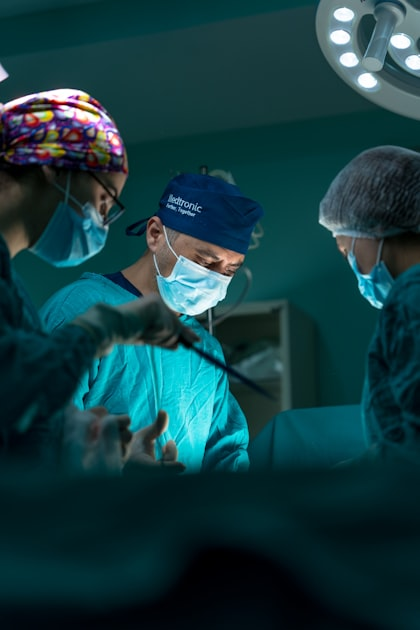
    Effective patient care is essential in neurosurgery. Doctor-students learn to prioritize patient needs and comfort during treatment.

    Key Aspects of Care

    • Communication skills
    • Empathy and compassion
    • Post-operative support

    These elements are crucial for building trust and ensuring successful recovery.

  • Clinical Training for Neurosurgeons

    Clinical Training for Neurosurgeons

    Clinical Training Essentials

    Hands-on clinical training is vital for doctor-students aspiring to become neurosurgeons. It bridges the gap between theory and practice.

    Training Components

    • Simulated surgeries
    • Real patient interactions
    • Feedback from experienced surgeons

    This training equips them with the necessary skills to excel in their careers.

  • Innovations in Brain Cancer Research

    Innovations in Brain Cancer Research

    Advancements in Research

    Research in brain cancer is evolving rapidly, providing new hope for patients. Doctor-students at Stanford are at the forefront of these innovations.

    Key Innovations

    • Targeted therapies
    • Immunotherapy
    • Advanced imaging techniques

    These advancements are crucial for improving patient outcomes and shaping the future of neurosurgery.

  • Support Systems for Future Doctors

    Support Systems for Future Doctors

    Importance of Support

    Doctor-students thrive when they have access to mentorship and resources. At Stanford, various programs are designed to support their growth.

    Available Resources

    • Mentorship programs
    • Peer support groups
    • Workshops and seminars

    These systems foster a collaborative environment, enhancing their educational experience.

  • The Journey to Becoming a Neurosurgeon

    The Journey to Becoming a Neurosurgeon

    The Path to Neurosurgery

    Becoming a neurosurgeon is a challenging yet rewarding journey. Doctor-students at Stanford are dedicated to mastering the skills needed to save lives.

    Key Challenges

    • Intensive training
    • Long hours
    • Emotional resilience

    With the right support, these future doctors can overcome obstacles and excel in their field.

  • Hello world!

    Welcome to WordPress. This is your first post. Edit or delete it, then start writing!